







18th-1
lady in party
1350 × 550 BANNER
18th-s
18th-s

Elevate your collection with Honik Style - Where Luxury Meets Legacy.

At Honik Style, we curate an exquisite blend of sophistication, luxury, and rare finds through our distinguished platforms – Honik Cellar and Honik Hobby.

Honik Cellar - Discover Unique Pleasures

Explore the world of Honik Cellar, where fine wines transcend mere beverages. Our platform offers an exclusive selection of the world’s most sought-after vintages, meticulously curated for the discerning connoisseur. From celebrated vineyards to hidden gems, each bottle tells a story of craftsmanship and heritage.

Honik Hobby - Unearth Hidden Treasures

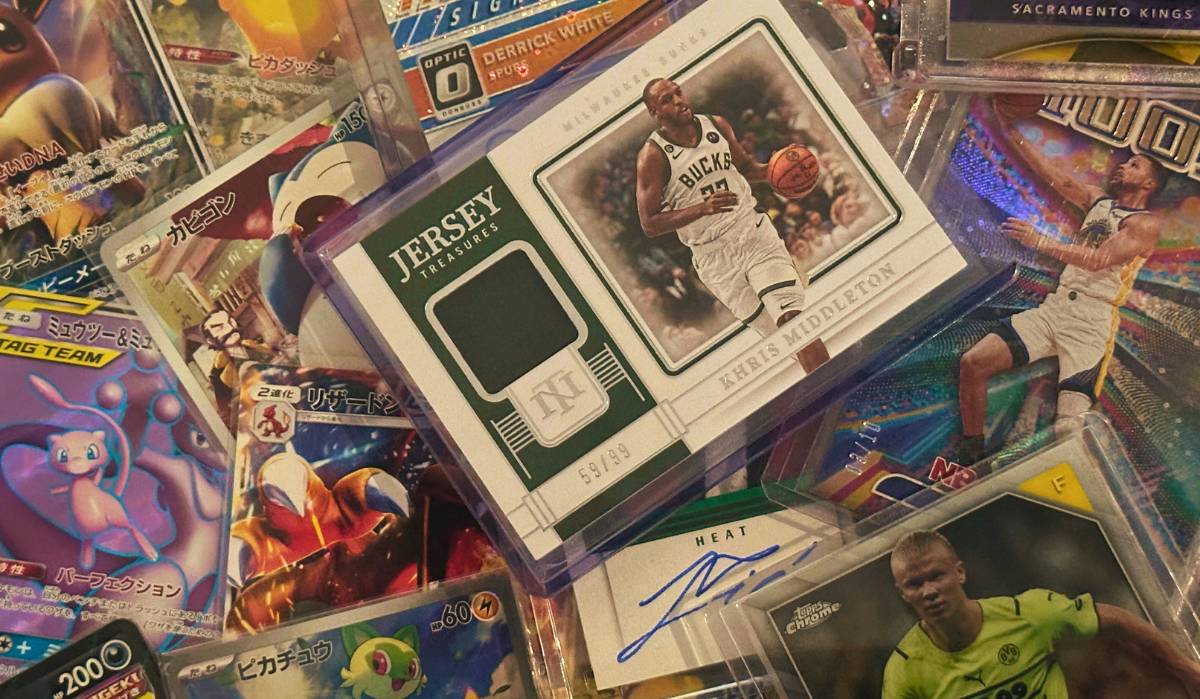
Step into the realm of Honik Hobby, where passion meets rarity. Our curated marketplace is a haven for collectors seeking the extraordinary. From vintage sports memorabilia to iconic figurines, we bring together a diverse array of timeless treasures, each waiting to find its discerning owner. 

HONIK Biz - Tailored Business Consulting

At HONIK Biz, we stand by small and medium enterprises (SMEs) by deeply understanding company needs and goals. From government funding applications to comprehensive business consulting services, we provide targeted support at every step—with sincerity and partnership at our core.

Why Honik Style?

Exclusivity

Our platforms host a curated selection of the finest, ensuring exclusivity in every acquisition.

Expert Curation

Trust our expert team to bring you the most exceptional and unique finds from around the globe.

Secure Transactions

With Honik Style, your transactions are secure, and your satisfaction is our priority.

Embark on a Journey of Refinement

Indulge your passion for the exceptional. Navigate seamlessly between Honik Cellar and Honik Collections, where each visit promises a discovery and each acquisition is a testament to your refined taste.

News

Negotiation Skills: From Being Brushed Off to Getting the Deal Signed – A Practical Guide for Beginners to Turn the Tables and WinHave you ever been in this situation? You’ve carefully prepared your presentation, thought through every talking point, and even thoughtfully listed “one hundred benefits of working with you.” And then the other person simply smiles, nods politely, and says, “Thank you, I’ll think it over.” And then… nothing.  What’s even more frustrating is that you already consider yourself a good talker – so why do clients, managers, and partners keep brushing you off?  The harsh truth is this: negotiation is not a debate. Winning the argument doesn’t mean winning the deal.  Master negotiation skills, and you can turn a client’s “I’ll think it over” into a smile at the signing moment. Whether you’re new to sales or a seasoned negotiator, this article will guide you step by step – from psychological strategy to real-world communication – to turn the tables and achieve a win-win deal.  Three Fatal Mistakes: Why You Keep Getting Brushed Off  Many salespeople hit a wall in negotiations – not because their product is bad, but because they overlook the other party’s psychological framework. When a client says “too expensive” or “I’ll think about it,” that’s often not a rejection. It’s a test of your reaction and your confidence.  Common reasons for failure include:  Over-persuasion – You push them into a defensive mindset  When you constantly emphasize how great your product is, how reasonable the price is, and how favorable the terms are, the other person’s brain quietly sounds an alarm: “Why is he so eager? Is he hiding something?”  Over-persuasion triggers psychological reactance – the harder you push, the more they want to pull back.  Information asymmetry – You’re in the light, they’re in the dark  Many negotiators focus only on telling their own story, never asking for the other side’s story. You don’t know their budget, their time pressure, or their real pain points – yet you rush to quote a price. That’s like playing cards without reading your opponent’s expressions, showing your hand immediately.  Lack of trust – A house without a foundation  Trust isn’t “I’m a nice person.” Trust is “I understand your situation.” When the other person feels you only care about your own quota, not about solving their problem, they’ll respond in the safest way possible: “I’ll think it over.”  Also, ignoring non-verbal cues – like averted eyes or leaning back – can make you miss a chance to turn things around. In short, getting brushed off isn’t bad luck – it’s a lack of strategy.  The Mindset of a Successful Negotiator: Start with “Losing”  If you’re still trying to win every negotiation, you’re guaranteed to lose the most important one – the long-term relationship.  Experts never treat negotiation as a war. They see it as a win-win game. Their mindset is: losing is not the end – it’s the starting point for gathering information. For example:  -  Let the other side “win” a little on price, in exchange for long-term contract terms.  -  Acknowledge your own limitations first, in exchange for their trust and honesty.  -  Accept a small initial order, in exchange for future leverage.  “Starting with losing” isn’t about giving up – it’s a strategic way to make the other person feel safe. When they think they’re winning, they let their guard down. That’s when the real negotiation begins.  Psychological Tactics to Read Their Hand: From “I Want to Win” to “We Win Together”  Winning negotiators always figure out the other party’s motivations and bottom lines first. This requires using the framing effect: whoever defines the problem controls the game.  Anchoring & Scarcity  Start by presenting an “extreme anchor.” For sellers, start at 135% of your target price; for buyers, start at 65%. And say upfront: “This number might surprise you, but hear me out.” That way, when the other party makes concessions later, they feel like they’ve “gained ground.”  Combine this with the scarcity principle: “There are only two spots left for this offer.” This triggers FOMO (fear of missing out). Studies show this can increase close rates by 30%.  Open-ended questioning  Don’t ask, “Do you agree?” Instead ask, “How could this proposal work better for you?” to get them to reveal their hand. Conditional questions like, “If I could adjust the price, would you consider signing today?” test their willingness while giving you room to adapt.  Language & Timing: Making the Other Party Want to Sign  Communication is a negotiation tool – but not hard selling. Combine the summary method with the labeling method. When they say “It’s too expensive,” respond: “It sounds like you’re worried about budget, is that right? In other words, you’re looking for a high-value solution?” Repeat “that’s right” three times, and they’ll internalize your frame.  Here’s a quick guide to common rejections and how to respond:  Client Type	Typical Rejection	Comeback Strategy	Expected Outcome Hesitant	“I’ll think about it.”	“I understand – you’re weighing the risks. What if we added a trial period?”	Builds trust, shifts focus Conservative	“Too expensive.”	“This price delivers X times the return – that’s how other clients validated it.”	Data anchoring Assertive	“No way!”	“You’re right, that is challenging. But what if we approached it from Y angle?”	Agree to regain control Irritable	“I’m not happy with the service.”	“I can see you’re upset – I completely understand. Let’s find a solution together.”	Label emotions to calm things down  These techniques rely on “giving in to move forward”: concede on small points to win big ones. Concessions should decrease in size, be few in number, and slow in pace – otherwise, they’ll see you as a pushover.  Closing Signals: Spotting When They’re Ready to Sign  People don’t suddenly say “yes.” They give small signals first:  -  They start asking, “How would this be implemented?” (shifting from “whether” to “how”)  -  They lean forward slightly, nod more often  -  They stop haggling and ask about details  -  They say something mildly positive like “That sounds good”  At this point, don’t rush to close. Instead say: “Let me put the proposal together for you. If we confirm today, we can start by Monday.” – Give them a low-risk next step.  Common Traps and How to Avoid Them  Mistake 1: Conceding too much  You think giving ground will earn goodwill – instead, they think, “So your price really was too high.”  Fix: Always attach conditions to concessions. Don’t say, “Okay, I’ll lower it by 5,000.” Say, “If I can lower the price by 5,000, can you decide today?”  Mistake 2: Ignoring non-verbal cues  Crossed arms, wandering eyes, shorter responses – all signs they’re losing trust.  Fix: When you notice these, stop talking. Pause and ask, “I feel like you might have some reservations – did I not explain something clearly enough?”  Mistake 3: Emotional reactions  Getting defensive when questioned, frustrated when haggled with, discouraged when rejected – emotions can cost you control.  Fix: Set an emotional anchor before negotiating. For example: “No matter what they say, I’ll take three deep breaths before responding.” Those three seconds let your brain shift from emotion to strategy.  Conclusion: Negotiation Is Not a Battle – It’s a Dance  Truly great negotiators are never the most eloquent speakers. They are the ones who make the other person feel heard, understood, and respected.  Next time you hear “I’ll think it over,” don’t rush to add more reasons. Pause, look them in the eye, and say with a smile:  “No problem. If you don’t mind my asking, what’s the main thing you’re weighing?”  That one sentence could be the turning point – from being brushed off to being welcomed in.  Because the highest level of negotiation is never about winning the conversation. It’s about winning the person.

Negotiation Skills: From Being Brushed Off to Getting the Deal Signed – A Practical Guide for Beginners to Turn the Tables and WinHave you ever been in this situation? You’ve carefully prepared your presentation, thought through every talking point, and even thoughtfully listed “one hundred benefits of working with you.” And then the other person simply smiles, nods politely, and says, “Thank you, I’ll think it over.” And then… nothing. What’s even more frustrating is that you already consider yourself a good talker – so why do clients, managers, and partners keep brushing you off? The harsh truth is this: negotiation is not a debate. Winning the argument doesn’t mean winning the deal. Master negotiation skills, and you can turn a client’s “I’ll think it over” into a smile at the signing moment. Whether you’re new to sales or a seasoned negotiator, this article will guide you step by step – from psychological strategy to real-world communication – to turn the tables and achieve a win-win deal. Three Fatal Mistakes: Why You Keep Getting Brushed Off Many salespeople hit a wall in negotiations – not because their product is bad, but because they overlook the other party’s psychological framework. When a client says “too expensive” or “I’ll think about it,” that’s often not a rejection. It’s a test of your reaction and your confidence. Common reasons for failure include: Over-persuasion – You push them into a defensive mindset When you constantly emphasize how great your product is, how reasonable the price is, and how favorable the terms are, the other person’s brain quietly sounds an alarm: “Why is he so eager? Is he hiding something?” Over-persuasion triggers psychological reactance – the harder you push, the more they want to pull back. Information asymmetry – You’re in the light, they’re in the dark Many negotiators focus only on telling their own story, never asking for the other side’s story. You don’t know their budget, their time pressure, or their real pain points – yet you rush to quote a price. That’s like playing cards without reading your opponent’s expressions, showing your hand immediately. Lack of trust – A house without a foundation Trust isn’t “I’m a nice person.” Trust is “I understand your situation.” When the other person feels you only care about your own quota, not about solving their problem, they’ll respond in the safest way possible: “I’ll think it over.” Also, ignoring non-verbal cues – like averted eyes or leaning back – can make you miss a chance to turn things around. In short, getting brushed off isn’t bad luck – it’s a lack of strategy. The Mindset of a Successful Negotiator: Start with “Losing” If you’re still trying to win every negotiation, you’re guaranteed to lose the most important one – the long-term relationship. Experts never treat negotiation as a war. They see it as a win-win game. Their mindset is: losing is not the end – it’s the starting point for gathering information. For example: -  Let the other side “win” a little on price, in exchange for long-term contract terms. -  Acknowledge your own limitations first, in exchange for their trust and honesty. -  Accept a small initial order, in exchange for future leverage. “Starting with losing” isn’t about giving up – it’s a strategic way to make the other person feel safe. When they think they’re winning, they let their guard down. That’s when the real negotiation begins. Psychological Tactics to Read Their Hand: From “I Want to Win” to “We Win Together” Winning negotiators always figure out the other party’s motivations and bottom lines first. This requires using the framing effect: whoever defines the problem controls the game. Anchoring & Scarcity Start by presenting an “extreme anchor.” For sellers, start at 135% of your target price; for buyers, start at 65%. And say upfront: “This number might surprise you, but hear me out.” That way, when the other party makes concessions later, they feel like they’ve “gained ground.” Combine this with the scarcity principle: “There are only two spots left for this offer.” This triggers FOMO (fear of missing out). Studies show this can increase close rates by 30%. Open-ended questioning Don’t ask, “Do you agree?” Instead ask, “How could this proposal work better for you?” to get them to reveal their hand. Conditional questions like, “If I could adjust the price, would you consider signing today?” test their willingness while giving you room to adapt. Language & Timing: Making the Other Party Want to Sign Communication is a negotiation tool – but not hard selling. Combine the summary method with the labeling method. When they say “It’s too expensive,” respond: “It sounds like you’re worried about budget, is that right? In other words, you’re looking for a high-value solution?” Repeat “that’s right” three times, and they’ll internalize your frame. Here’s a quick guide to common rejections and how to respond: Client Type Typical Rejection Comeback Strategy Expected Outcome Hesitant “I’ll think about it.” “I understand – you’re weighing the risks. What if we added a trial period?” Builds trust, shifts focus Conservative “Too expensive.” “This price delivers X times the return – that’s how other clients validated it.” Data anchoring Assertive “No way!” “You’re right, that is challenging. But what if we approached it from Y angle?” Agree to regain control Irritable “I’m not happy with the service.” “I can see you’re upset – I completely understand. Let’s find a solution together.” Label emotions to calm things down These techniques rely on “giving in to move forward”: concede on small points to win big ones. Concessions should decrease in size, be few in number, and slow in pace – otherwise, they’ll see you as a pushover. Closing Signals: Spotting When They’re Ready to Sign People don’t suddenly say “yes.” They give small signals first: -  They start asking, “How would this be implemented?” (shifting from “whether” to “how”) -  They lean forward slightly, nod more often -  They stop haggling and ask about details -  They say something mildly positive like “That sounds good” At this point, don’t rush to close. Instead say: “Let me put the proposal together for you. If we confirm today, we can start by Monday.” – Give them a low-risk next step. Common Traps and How to Avoid Them Mistake 1: Conceding too much You think giving ground will earn goodwill – instead, they think, “So your price really was too high.” Fix: Always attach conditions to concessions. Don’t say, “Okay, I’ll lower it by 5,000.” Say, “If I can lower the price by 5,000, can you decide today?” Mistake 2: Ignoring non-verbal cues Crossed arms, wandering eyes, shorter responses – all signs they’re losing trust. Fix: When you notice these, stop talking. Pause and ask, “I feel like you might have some reservations – did I not explain something clearly enough?” Mistake 3: Emotional reactions Getting defensive when questioned, frustrated when haggled with, discouraged when rejected – emotions can cost you control. Fix: Set an emotional anchor before negotiating. For example: “No matter what they say, I’ll take three deep breaths before responding.” Those three seconds let your brain shift from emotion to strategy. Conclusion: Negotiation Is Not a Battle – It’s a Dance Truly great negotiators are never the most eloquent speakers. They are the ones who make the other person feel heard, understood, and respected. Next time you hear “I’ll think it over,” don’t rush to add more reasons. Pause, look them in the eye, and say with a smile: “No problem. If you don’t mind my asking, what’s the main thing you’re weighing?” That one sentence could be the turning point – from being brushed off to being welcomed in. Because the highest level of negotiation is never about winning the conversation. It’s about winning the person.

Have you ever been in this situation? You’ve carefully prepared your presentation, thought through every talking point, and even thoughtfully…
Sales Success Skills: From Mindset to Mastery to Double Your Performance Naturally

Sales Success Skills: From Mindset to Mastery to Double Your Performance Naturally

In today’s fiercely competitive and information-saturated era, a great salesperson is like a commander on the battlefield—strategic, resilient, and highly…
Does Opening a Bottle Mean Decanting? The Secret Behind Letting Wine “Breathe”

Does Opening a Bottle Mean Decanting? The Secret Behind Letting Wine “Breathe”

At the dinner table, there’s always someone who confidently claims, “Just let the red wine sit for a bit after…