
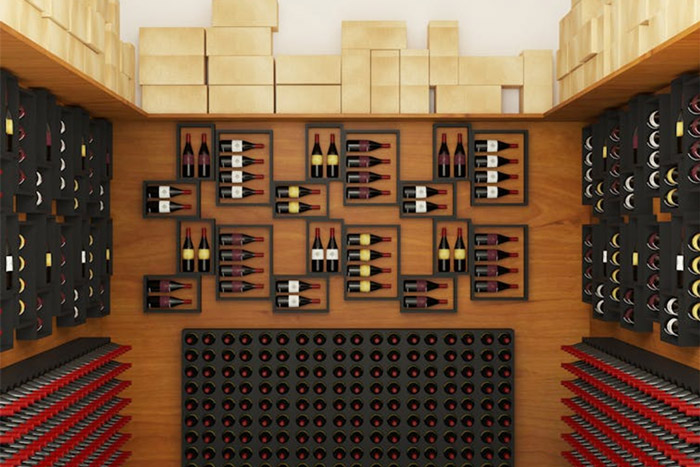
Have you ever faced this dilemma: you excitedly bring home a few bottles of your favorite wine, only to rush through drinking them because you lack a professional wine cabinet…
In reality, preserving wine doesn’t necessarily require expensive equipment. By mastering a few principles and clever tricks, you can create an environment in your home that mimics a wine cellar, allowing you to enjoy your wine at its best even in limited space.
Core Elements of Wine Preservation: The Four Golden Conditions
Before diving into home storage methods, we must understand the key factors affecting wine quality to ensure the wine retains its unique character in the bottle over time:
Stable Temperature: Ideal range is 14°C – 18°C (57°F – 64°F). Excess heat accelerates aging, while excessive cold can suppress flavor.
Moderate Humidity: Maintain 50% – 70% humidity to prevent cork drying or mold growth.
Dark Environment: Light can damage aromatic compounds, leading to quality degradation.
Minimal Vibration: Vibration disturbs sediment and can cause premature aging.
In other words, wine needs a “quiet, cool, and stable” home. Understanding these principles allows us to adapt them flexibly to different home spaces.
Ideal Home Storage Spots: Where’s Best for Hiding Your Wine?
Basement: Basements are typically cool, dark, and temperature-stable. Ensure there are no strange odors or overly damp conditions that could affect wine quality. If humidity is too high, a dehumidifier can help maintain the ideal range.
Closet/Wardrobe: Bedroom closets are usually quiet, relatively cool, and dark. Choosing a closet not adjacent to an exterior wall helps shield wine from temperature fluctuations due to seasonal changes. You can even convert an unused wardrobe into a “mini-cellar” using insulation to reduce temperature swings and installing a cooling system to maintain a stable 50-60°F (14-18°C).
Household Refrigerator: Fridges provide a cool, stable, and dark environment. However, food odors can taint the wine, and compressor vibrations and excessively low temperatures make them unsuitable for long-term storage—best for short-term (a few days to a few months).
Cabinets or Storage Rooms: When space is limited or you lack a dedicated cellar or fridge, placing a wine rack in a cabinet or storage room, storing bottles horizontally, can create a decent environment. Ensure these areas are away from heat sources like stoves, check for odors regularly, and maintain good ventilation.
Under the Bed: Some wine boxes are designed to fit neatly under beds, offering discreet storage. However, bedrooms experience frequent temperature changes, vibrations, and light exposure. Dust accumulation and vibration under the bed make this a less-than-ideal primary storage location.
DIY Preservation Tips: How to Store Wine Without a Wine Cooler
Insulation Wrap Method: If your chosen spot has significant temperature variations, wrapping bottles in insulating materials can buffer against external changes, creating a more stable microclimate.
The Art of Horizontal Storage: For wines sealed with natural corks, storing horizontally not only saves space but is crucial for keeping the cork moist.
Monitor and Adjust: Invest in a reliable hygro-thermometer. Regularly checking storage conditions helps identify and address issues promptly.
The Wisdom of Original Case Storage: Many original wooden wine cases are excellent for short-term storage, providing light protection and some insulation against temperature swings.
How Long Can Wine Last Without a Wine Cooler?
Generally, red wine can last 6 months to 1 year, white wine may deteriorate within 3 to 6 months, while fortified wines like Sherry and Port, due to higher alcohol content, can last over 1 year.
Special Note: Everyday drinking wines can be kept in a cool, dark place. However, higher-value or collectible wines require more care. Strive to simulate cellar conditions—store them in a stable, cool, and undisturbed location.
How to Extend the “Life” of Wine After Opening?
Even with proper storage, opened wine enters a countdown phase. Here are ways to extend its post-opening life:
Re-cork Immediately: Replace the cork as soon as possible after pouring. If the original cork is difficult, wrap it in wax paper or use a dedicated rubber wine stopper.
Store Upright: Unlike unopened bottles, store opened wine upright to minimize the wine’s surface area exposed to air.
Chill to Slow Down: Refrigerating even red wine after opening slows oxidation. Simply take it out an hour before serving to warm up.
Vacuum Preservation: Using a vacuum pump to remove air can extend shelf life to 3-5 days.
Decant into Smaller Bottles: Transfer remaining wine to a smaller, clean container to reduce air contact space.
The core of wine preservation lies not in expensive equipment, but in a deep understanding of wine’s needs and attentive care. Every home has unique spatial conditions; the key is finding the solution that works best for you.
Start by examining various corners of your home today—assess temperature stability, light exposure, and vibration sources. You might just discover that an inconspicuous closet corner or the depths of a storage room is the location of your dream mini-cellar.
