
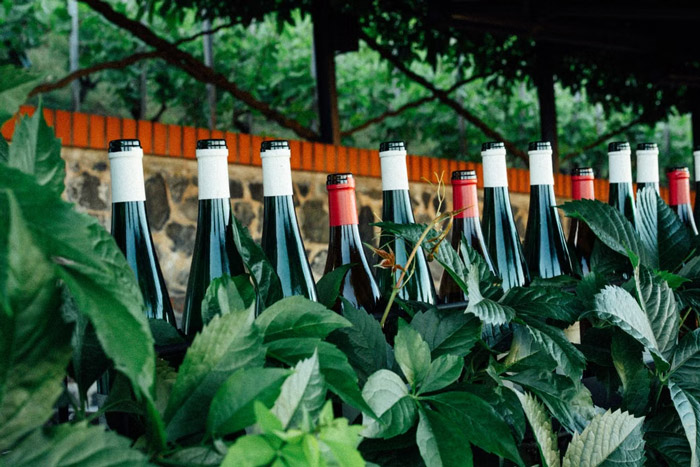
“When buying wine, should I look at the region or the price?” This is a common dilemma faced by many beginners and even advanced wine enthusiasts. Walking into a wine shop or scrolling through online wine pages, confronted with a dazzling array of bottle labels, relying solely on price to judge wine quality often leads into the trap of “spending a lot of money without getting the flavor you love.”
In fact, a wine’s Region and its Classification (Quality Tier) share an extremely close lineage. From top prestigious châteaux in France to high-scoring, great-value wines from Chile, a region’s weather, soil (i.e., Terroir), and local official classification systems together determine a wine’s positioning and flavor potential.
Why is “Region” the First Key Code to Determining Wine Tier?
To understand the value of wine, one must first understand the soul that “region” imparts to it. Simply put, wine is not merely an industrialized processed product, but rather a combination of agricultural produce and historical craftsmanship.
How Does Terroir Shape Wine Flavor and Value?
In the world of wine, “Terroir” encompasses four key elements: climate, soil, topography, and winemaking traditions.
Climate and Sunshine: Regions with cooler climates (such as Burgundy in France or Mosel in Germany) have longer grape ripening periods, elegant acidity, and delicate layerings of flavor. Regions with warmer climates (such as the Barossa Valley in Australia or Napa Valley in the US) produce grapes with high sugar content, higher alcohol level, and rich, bold fruitiness.
Soil and Drainage: Limestone, chalk, or volcanic soils endow wine with unique minerality and structure. Many of the world’s top-tier wines come almost exclusively from specific golden slopes or microclimates with unique soil profiles.
Old World vs. New World: Two Logics of Regional Concepts
The influence of region on wine quality tiers presents two distinct philosophies in “Old World” and “New World” wine regions:
| Dimension | Old World | New World |
|---|---|---|
| Representative Countries | France, Italy, Spain, Germany | United States, Chile, Australia, New Zealand, Argentina |
| Core Logic | Centered on “Regional Terroir”, emphasizing official appellation regulations. | Centered on “Grape Variety” and brand style. |
| Region & Quality Tier Relationship | Extremely strictly defined; the more specific the plot of land, the higher the tier usually is. | Region serves as a flavor reference; tiers are mostly decided by winery series or market pricing. |
After understanding the concept of regions, let us delve into the official regulatory systems of various countries to see how these regions specifically delineate wine quality tiers and classifications.
Decoding Old World Wine Tiers: Official Classifications Centered on Region
Old World countries have developed a rigorous and historically rich system of “Appellation d’Origine Contrôlée” (Controlled Designation of Origin). The logic behind this system is straightforward: the smaller the geographic area and the stricter the restrictions, the higher the wine tier usually is.
1. France: The Classic Four-Tier Pyramid System
France is the cornerstone of global wine classification, and its AOP (formerly AOC) system has influenced all of Europe:
• Appellation d’Origine Contrôlée (AOC / AOP)
The highest tier of French wine. AOC stands for “Controlled Designation of Origin” in French. Labels display Appellation + Region Name + Contrôlée. AOC production accounts for approximately 35% of total French wine production. Grapes, yield quantities, winemaking processes, and alcohol content must all be certified by experts. It must be made solely from grapes grown in the designated region and can never be blended with grape juice from other areas.
• Vin Délimité de Qualité Supérieure (VDQS)
Delimited Wine of Superior Quality; a mandatory transitional tier for wines moving from table wine to AOC status. Labels display Appellation + Region Name + Qualité Supérieure. Production accounts for only about 2% of total French wine production. If a wine exhibits consistently high quality during the VDQS period, it will be upgraded to AOC.
• Vin de Pays (VdP / IGP)
Protected Geographical Indication / Country Wine. The best wines among daily table wines are upgraded to Vin de Pays. Labels display Vin de Pays + Region Name. Production accounts for about 15% of total French wine production. Labels can indicate the region name. Blending with grape juice within the indicated region is allowed, but restricted strictly to grapes from that region. The vast majority of French Vin de Pays comes from the Mediterranean coast in Southern France.
• Vin de Table (VdT / Vin de France)
Table Wine, the entry-level tier intended for everyday consumption. It can be blended from grape juices of different regions. If the grape juice is restricted to regions within France, it can be named “French Table Wine”. Labels display Vin de Table. Production accounts for about 38% of total French wine production. Grape juice from countries outside the European Community is prohibited.
2. Italy: Quality Leap from DOC to DOCG
Italy similarly classifies wine quality tiers by region, divided into four main categories:
• DOCG (Denominazione di Origine Controllata e Garantita)
Denotes controlled and guaranteed designation of origin wine, representing the highest tier in Italian wine classification. Superior regions are selected from DOC areas for further certification under even stricter winemaking and labeling regulations. Wines must originate from specific areas and meet defined production standards to earn the DOCG status. Currently, 74 wine regions belong to this top category.
• DOC (Denominazione di Origine Controllata)
Denotes controlled designation of origin wine, equivalent to France’s AOC tier. It must conform to approved grape varieties cultivated in specific areas, signifying official quality certification with production conforming strictly to DOC regulations. Italy has over 300 DOC wines based on strictly delineated production areas, with statutory standards covering grape varieties, minimum alcohol content, production methods, aging requirements, and sensory characteristics.
• IGT (Indicazione Geografica Tipica)
Typical Geographical Indication, equivalent to France’s Vin de Pays tier. Although the label may look modest, many exceptional wines can actually be discovered within this tier (such as Super Tuscans).
• VdT (Vino da Tavola)
Everyday table wine, equivalent to France’s VdT tier. Labels do not need to specify origin, source region, or vintage, requiring only the alcohol content and producer details.
Demystifying New World Wine Tiers: Brand, Microclimate, and Market Positioning
Unlike the strict legal frameworks of the Old World, New World countries (such as the United States, Australia, and Chile) also use geographic indication systems (like the AVA system in the US), but region designation mainly indicates the “grape origin” rather than directly representing the “quality tier”.
In the New World, wineries tend to establish tier differentiation through designations like Single Vineyard, Old Vine, or Flagship Series.
1. Napa Valley, USA: Top Valley and Sub-AVAs
Although the US AVA system does not directly rate wine quality, within Napa Valley, specific sub-regions (Sub-AVAs) have become symbols of high-quality tiers:
Rutherford: Famous for its distinctive “Rutherford Dust” mineral character and powerful Cabernet Sauvignon, belonging to a high-price tier.
Oakville: Home to legendary estates such as Opus One, where regional reputation directly confers a premium market price tier to the wines.
2. Australia and Chile: Flexible Quality Ladders
Australia: Australia uses Geographical Indications (GI). High-tier wines frequently originate from renowned sub-regions, such as old-vine Shiraz from the Barossa Valley or terra rossa Cabernet Sauvignon from Coonawarra.
Chile: Chile classifies regional characteristics into Costa (Coastal), Entre Cordilleras (Central Valley), and Andes (Andean Mountains), commonly featuring terms like Reserva and Gran Reserva on labels. While these terms carry less legal weight in the New World, they generally represent higher internal winery tiers and longer oak aging.
Invisible Indicators Across Regions and Tiers: How to Objectively Assess a Wine’s Value?
Having understood regions and classification systems, how can we combine this knowledge to make the smartest choices when selecting wine in practice? Here are three expert evaluation perspectives:
1. Identify the “Regional Value Sweet Spot”
While top-tier Grand Cru wines boast exceptional quality, their prices often include brand and scarcity premiums. For daily drinking or social gatherings, Satellite Appellations or Village-Level Wines adjacent to famous regions often offer the highest price-to-performance ratio.
Example: Instead of buying top-tier Bordeaux classified estates, look for highly-rated quality gems from regions like Haut-Médoc or Côtes de Bordeaux.
2. Impact of Vintage on Different Wine Tiers
Climate variation has a particularly noticeable effect on high-tier Old World wines.
In great vintages, even entry-level regional wines can showcase outstanding flavors beyond their designated tier.
In challenging vintages, top estates maintain high-tier performance through rigorous selection and advanced technology, whereas standard-tier wines experience greater quality fluctuations.
3. Renowned Producers vs. Regional Regulations
Sometimes, a winemaker’s reputation and technical prowess transcend regional classification constraints. As seen in the aforementioned “Super Tuscans,” winemakers broke traditional regional grape restrictions to craft high-tier masterpieces that shocked international critics. Thus, “Regional Reputation + Top Winemaker/Winery” serves as a double assurance of top quality.
Conclusion: The Golden Formula for Wine Selection
Wine Value = Specific Regional Terroir + Official/Winery Tier + Vintage Peak Drinkability
Once you master the correlation between “Region” and “Quality Tier”, choosing wine is no longer a game of chance. Keep this simple formula in mind!
Next time you walk into a wine cellar or select a wine at a restaurant, take a look at the level of regional specificity on the label—does it come from a broad generic region, or a precise single village and vineyard? Combined with the local classification markings, you can quickly grasp the wine’s flavor profile and true value, effortlessly selecting the perfect bottle for your budget and occasion!
