
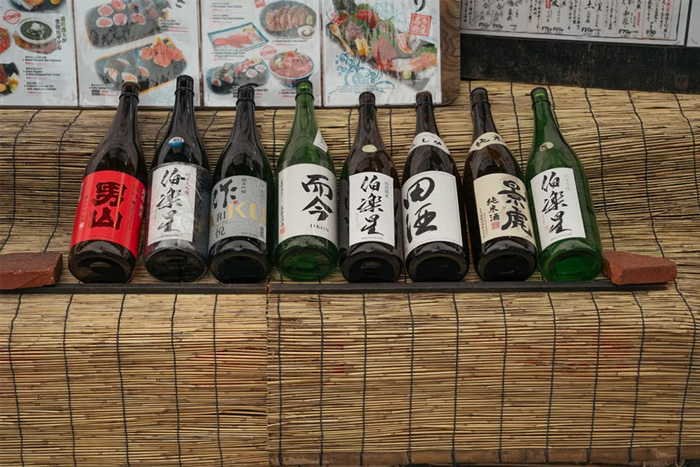
Have you always associated sake (Nihonshu) with traditional heated cups in a cozy izakaya? While thermal serving has its rightful place in heritage culture, a modern revolution is underway. Driven by advancements in rice polishing and low-temperature fermentation, contemporary sake boasts vibrant floral aromas, delicate fruity notes, and a crisp, refreshing finish. In short: modern sake shines brightest when chilled—and makes an extraordinary base for sophisticated, low-ABV cocktails.
Using sake as a mixology foundation creates lighter, more approachable drinks without the aggressive burn of 40% ABV spirits. Its naturally occurring umami adds depth and complexity that gin or vodka simply cannot replicate. Whether you are a curious beginner or a home bartender looking to elevate your hosting repertoire, this guide will walk you through selecting the right bottle, mastering key techniques, and crafting memorable cocktails.
Debunking the Myth: Why Modern Sake Belongs Cold and in Cocktails
Historically, heating sake (Kanjake) was done to warm up during cold seasons or to mask rough edges in lower-grade bottles. However, premium craft sakes (such as Ginjo and Daiginjo) are brewed like fine white wines, releasing elegant bouquet notes of green apple, white peach, and jasmine when served cool.
▪ Chilled Serving (5°C–10°C): Unlocking Crisp, Floral Aromas
Chilling sake tightens its aromatic structure, producing a clean, refreshing mouthfeel. It transforms dense rice profiles into crisp, fruit-forward sips—ideal for warm climates and light, modern dining.
▪ Low ABV (13%–16%): Mindful, Sessionable Drinking
Standard base spirits like whiskey, rum, or vodka sit around 40% ABV. Sake usually ranges between 13% and 16%. Cocktails built on a sake base offer subtle, easy-drinking profiles that keep your palate sharp and prevent heavy hangovers during long gatherings.
Choosing the Right Sake: From Entry-Level to High-End Bottles
You do not need to buy the most expensive bottle to make great cocktails, but using bottom-shelf cooking sake will ruin your drink. The key is matching the sake’s aroma, acidity, and residual sweetness to your desired flavor profile.
▪ Core Selection Rules
Ginjo / Daiginjo (Aromatic & Fruity): Best for light, sparkling, or fruit-forward drinks where delicate floral and apple/pear notes can shine.
Junmai / Honjozo (Rich & Rice-Forward): Offers robust structure and higher umami. Excellent for substituting heavy spirits in classic twists like the Martini or Old Fashioned.
▪ Recommended Sake Selection Guide
| Level | Recommended Style / Bottle | Flavor Profile | Best Cocktail Style |
| Entry-Level | Gekkeikan Traditional Junmai / Kiku-Masamune Dry | Savory, rice-driven, clean dryness | Highballs, spritzes, fruity mixes |
| Mid-Tier | Dassai 45 Junmai Daiginjo | Elegant peach/apple aroma, silky smooth | Saketini, refined sparkle, gin hybrids |
| Premium | Aramasa No. 6 Series / Dewazakura “Oka” Ginjo | Vibrant acidity, prominent floral layers | Pure chilled sips, bespoke artisanal cocktails |
Pro Tip: When starting out, opt for a bottle labeled Dry (Karakuchi) with around 15% ABV. Dry profiles offer the most versatility when balancing citrus or syrups.
Practical Recipes: 5 Easy-to-Master Sake Cocktails
From a 30-second refresher to an artisanal dessert drink, these five balanced recipes showcase the full versatility of sake mixology.
Recipe 1: Sake Highball
Difficulty: ★☆☆☆☆ (Effortless)
Concept: A lighter, crisper alternative to the classic Whiskey Highball.
Ingredients:
Sake (Junmai or Honjozo): 60 ml
Unflavored Club Soda: 120 ml
Lemon Wedge: 1
Method:
Step 1 Fill a tall highball glass to the brim with solid ice cubes.
Step 2 Pour in the sake and stir gently to chill the glass.
Step 3 Slowly pour the club soda down the inner wall of the glass to preserve carbonation.
Step 4 Squeeze a touch of lemon juice over the top, drop in the wedge, and lift the ice once with a bar spoon.
Recipe 2: Kyoto Mojito
Difficulty: ★★☆☆☆ (Refreshing & Herbaceous)
Concept: Swaps rum for chilled sake, integrating shiso or mint for a zen-inspired garden drink.
Ingredients:
Ginjo-style Sake: 75 ml
Fresh Mint Leaves: 8–10 (or 1 fresh Shiso leaf)
Fresh Calamansi or Lime Juice: 15 ml
Simple Syrup: 15 ml
Club Soda: To top
Method:
Step 1 Place mint leaves and simple syrup in a glass. Gently press with a muddler to release essential oils (do not shred).
Step 2 Add lime juice, sake, and fill the glass with crushed ice.
Step 3 Top with club soda and stir gently from the bottom up.
Step 4 Garnish with a fresh mint sprig and citrus slice.
Recipe 3: Sakura Saketini
Difficulty: ★★★☆☆ (Classic Twist)
Concept: A staple of modern New York cocktail lounges, replacing dry vermouth with premium sake to soften the gin’s botanicals.
Ingredients:
Dry Gin: 45 ml
Junmai Daiginjo Sake: 30 ml
Salt-pickled Sakura Blossom or Umeboshi (Pickled Plum): 1 for garnish
Method:
Step 1 Add gin and sake to a mixing glass filled with ice.
Step 2 Stir smoothly for 20 seconds until well-chilled and properly diluted.
Step 3 Strain into a pre-chilled martini or coupe glass.
Step 4 Garnish with a rinsed salt-pickled sakura blossom or plum.
Recipe 4: Japanese Umami Bloody Mary
Difficulty: ★★★☆☆ (Savory Twist)
Concept: Sake’s natural amino acids pair seamlessly with savory tomato juice for a smoother, less astringent brunch cocktail.
Ingredients:
Junmai Sake: 60 ml
Unsalted Tomato Juice: 120 ml
Fresh Lemon Juice: 10 ml
Japanese Soy Sauce (Shoyu): 2 drops
Shichimi Togarashi (7-Spice) & Wasabi paste: A tiny pinch each
Method:
Step 1 Combine all ingredients in a cocktail shaker filled with ice.
Step 2 Shake vigorously for 10–12 seconds.
Step 3 Strain into a Rocks glass over fresh ice.
Step 4 Rim half the glass with Shichimi Togarashi and salt, garnishing with a cucumber spear.
Recipe 5: Matcha Sake Cloud
Difficulty: ★★★★☆ (Indulgent Dessert)
Concept: Combines the earthy bitterness of ceremonial Uji matcha with the creamy, sweet profile of unfiltered sake.
Ingredients:
Nigori Sake (Unfiltered) or Junmai Sake: 60 ml
Unsweetened Concentrated Matcha (chilled): 30 ml
Milk or Oat Milk: 30 ml
Kuromitsu (Japanese Black Sugar Syrup) or Simple Syrup: 15 ml
Method:
Step 1 Drizzle black sugar syrup around the inside walls of your serving glass.
Step 2 Add sake, chilled matcha, and milk into a shaker with ice. Shake hard to build a velvety texture.
Step 3 Double strain into the prepared glass over fresh ice.
Professional Mixology Tips for Sake
Sake is delicate. To ensure bar-quality results at home, keep these four essential rules in mind:
▪ Use Clear, Dense Ice: High-density, clear ice melts much slower than hollow freezer ice. Because sake has a lower starting ABV, excess melt-water will dilute your cocktail rapidly.
▪ Respect the Ratio: When mixing with sparkling water or tonic, maintain a sake-to-mixer ratio between 1:1.5 and 1:2. Going beyond this will wash out the faint rice aromatics.
▪ Glassware Matters:
Aromatic Sips: Use a White Wine Glass with a tapered rim to capture delicate melon and floral aromas.
Sparkling Mixes: Use a tall Collins or Highball Glass to keep bubbles rising in a tight stream.
Short Drinks: Use thin-rimmed Coupe or Martini Glasses for a crisp, icy mouthfeel.
Minimalist Japanese Garnishes: Keep garnishes functional and understated. A single shiso leaf, citrus peel twist, or pickled plum subtly enhances the drink without overpowering its natural perfume.
Occasions & Food Pairings
Sake cocktails are exceptionally versatile at the dinner table thanks to their low bitterness and natural savory notes.
▪ Solo Relaxation at Home
Pairing: Sake Highball with salted edamame, mixed nuts, or aged gouda. The crisp carbonation cuts through light fats while keeping your palate refreshed.
▪ Social Gatherings & Parties
Pairing: Kyoto Mojito or Matcha Sake Cloud served alongside chicken karaage, takoyaki, or yakitori skewers. The bright herbal notes contrast wonderfully with savory, glazed street foods.
▪ Elevating Japanese Dining
Sashimi & Raw Seafood: Pair with a Sakura Saketini. The clean, icy temperature lifts the natural sweetness of fresh tuna or scallops.
Tempura & Deep-Fried Dishes: Pair with a Sake Highball. Carbonation scrubs oil from the palate between bites.
Robatayaki & Glazed Meats: Pair with a Japanese Umami Bloody Mary. The soy sauce and tomato notes match soy-based tare glazes seamlessly.
Storage, ABV Considerations, and Responsible Drinking
To enjoy sake at its best, proper handling and storage are non-negotiable.
Mindful Consumption: Because sake cocktails are smooth, aromatic, and mask harsh alcohol burns, they drink very easily. Always track your intake and hydrate with water between drinks.
Storage Rules:
▪ Unopened Premium Sake: Keep bottles upright in a dark refrigerator (0°C–5°C) to prevent heat degradation and UV damage.
▪ After Opening: Unlike distilled spirits, sake oxidizes quickly once uncorked. Store opened bottles in the fridge and finish them within 7 to 14 days for peak flavor.
▪ Responsible Drinking Notice: Enjoy responsibly. Never drive under the influence. Drinking under the legal age limit is strictly prohibited.
Conclusion: Craft Your Modern Sake Experience
Sake is far more than a rigid cultural relic—it is a fluid, modern ingredient brimming with potential. Whether you keep it simple with an icy, effervescent Sake Highball or experiment with savory Japanese Bloody Marys, exploring chilled sake opens up a completely new world of flavor.
Uncap a bottle from your fridge tonight, grab some clear ice, and raise a glass to a lighter, more refined cocktail experience. Kanpai!
