
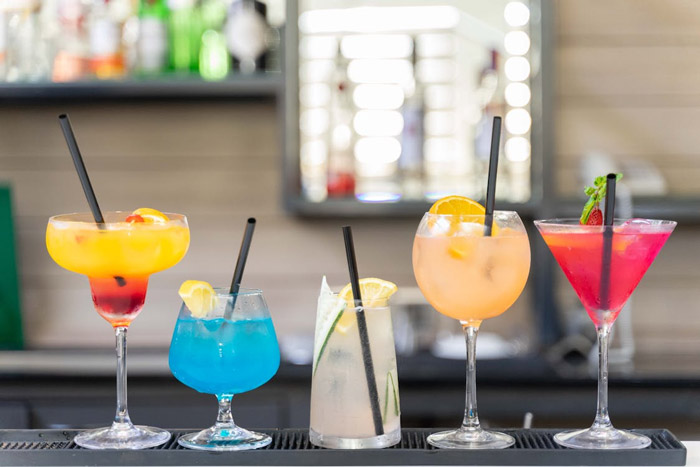
Imagine a relaxing evening. In your hand is a cocktail you mixed yourself—crystal clear in color, with layered flavors on the palate. The sense of accomplishment in that moment goes far beyond simply “having a drink.”
Learning to mix drinks isn’t just about enjoying a personalized flavor; it’s an experience of creativity and the joy of living. Once you master the basic techniques, you can shake up classic recipes or improvise original drinks for friends at gatherings. This not only shows off your taste but also boosts your confidence in social settings.
On a more practical note, learning mixology can save you money and be healthier over time. Many people find that the cost of a homemade cocktail is often less than half the price of one at a bar—and you control the sugar and alcohol levels, making drinking more moderate and personalized.
That’s one reason to start learning about cocktails: it’s not just a skill, but an extension of your lifestyle.
Understanding the Basic Elements of Cocktails: The Foundation of Flavor
The soul of every cocktail lies in the balance between the “base spirit” and the “mixers.” For beginners, understanding the roles of these components is the first step into the world of cocktails.
Types of Base Spirits: Style Defines the Soul
The five most common base spirits are:
– Vodka: Clean and crisp, great for beginners. It blends with almost any juice or soda.
– Gin: Aromatic with juniper notes, distinctive in flavor, ideal for refreshing cocktails.
– Rum: Sweet and smooth, often found in tropical drinks like the Mojito.
– Tequila: Bold, with herbal and spicy layers—the life of the party.
– Whisky: Rich and full-bodied, suited for those who prefer deep, robust aromas.
If you have no idea where to start, try vodka or gin. They pair easily with various juices and syrups, with a very low failure rate.
Mixers & Recipes: The Magic Wands of Layering
Mixers act like chords in music, enriching the melody of the base spirit. Common examples include:
– Juices (orange, pineapple, grapefruit)
– Syrups (e.g., simple syrup, grenadine)
– Lemon or lime juice (adds sour balance)
– Soda or tonic water (adds fizz and length)
Tip for beginners: An easy ratio to remember is 2 parts base spirit : 1 part sour : 1 part sweet. For example, 30ml vodka, 15ml lemon juice, 15ml syrup—shake well, and you have a perfectly structured Vodka Sour.
Essential Bar Tools for Beginners: Turn Your Kitchen into a Bar
Many people think they need to buy a lot of professional gear, but many tools can be replaced with household items. Here’s a list of truly essential tools and their home alternatives:
|
Tool |
Purpose |
Home Alternative |
|
Shaker |
Mix and chill ingredients | Insulated thermos or sealed glass jar |
|
Jigger |
Measure liquids accurately | Measuring spoons (15ml = 1 tbsp) or a small cup marked with measurements |
|
Strainer |
Filter out ice and solids | Fine-mesh sieve or tea strainer |
|
Stirring rod |
Stir non-shaken cocktails | Long-handled spoon |
|
Glass |
Serve the drink | Any clear glass at home (presentation matters) |
Generally, the best investments are a shaker and a jigger—together costing very little—but they greatly improve your success rate. For glassware, start with a Highball glass; it’s enough for more than 90% of beginner cocktails.
Three Classic Beginner Cocktails You Must Learn
The following three are the most入门-friendly and have the highest success rates. Each will help you quickly experience the joy of mixing.
Gin & Tonic – A Classic You Can Make in Three Minutes
Ingredients: 45ml gin, 90ml tonic water, lemon wedge or peel
Steps:
Step 1: Fill a glass with ice cubes, then pour in the gin.
Step 2: Slowly top up with tonic water, stirring gently as you pour.
Step 3: Squeeze in lemon juice and drop in the lemon wedge (or peel).
Tip: Use plenty of ice, and make sure it’s very cold—this drink tastes best that way.
Screwdriver – The Best Intro to Vodka
Ingredients: 45ml vodka, 90ml orange juice
Steps:
Step 1: Add some ice to a glass, then pour in the vodka.
Step 2: Slowly top up with orange juice and stir well.
Mojito – A Bit More Advanced, but Very Rewarding
Ingredients: 50ml rum, 8–10 fresh mint leaves, half a lime (or 20ml lime juice), 15ml syrup, soda water to top
Steps:
Step 1: In a glass, add mint leaves, lime pieces, and syrup.
Step 2: Gently press the mint leaves with a muddler (don’t crush them, or they’ll turn bitter).
Step 3: Add crushed ice or regular ice cubes, then pour in the rum.
Step 4: Top up with soda water and stir gently.
Common Beginner Mistakes and How to Avoid Them: Don’t Let Your Efforts Go to Waste
Cocktail making is a lot like cooking—same ingredients, different techniques can yield very different results.
Here are the most common beginner mistakes and how to fix them:
Imbalanced ratios: A jigger is your best friend. Don’t rely on eyeballing, or your drink may be too sweet or too strong.
Adding ice too early: Ice dilutes flavors. Add it at the end.
Shaking too long or too hard: Over-shaking creates too much foam and loses aroma.
Ignoring glass temperature: Chill your glass beforehand for a smoother mouthfeel.
Tip: Keep a record of your ratios and techniques, like a recipe journal. After a few tries, you’ll find you can “feel” your way to a consistent flavor.
From Simple to Advanced – Your Cocktail Roadmap
The world of cocktails is like music: you start with simple melodies and eventually play your own compositions.
Here’s a recommended path for beginners:
Refreshing (Gin & Tonic, Mojito) → Get familiar with ratios and stirring techniques.
Fruity (Vodka Sunrise, Daiquiri) → Practice color layering and sweet-sour balance.
Strong (Old Fashioned, Martini) → Master spirit-forward flavors and stirring pace.
Creative (herbs, spices, homemade syrups) → Experiment with herbs, spices, and homemade syrups.
In the end, you’ll find that mixology is no longer just about making drinks—it’s a way of life and a form of storytelling. Every cocktail you create reflects your mood.
Conclusion: From One Drink to a Journey
Learning to mix cocktails is like learning to listen to yourself. From following recipes to free creation, you’re not just learning to blend spirits—you’re learning to blend happiness and ease into your life.
Whether you’re in a small studio, on a balcony, or by the sea, as long as you have ideas and passion, your first homemade cocktail is the best possible beginning.
