
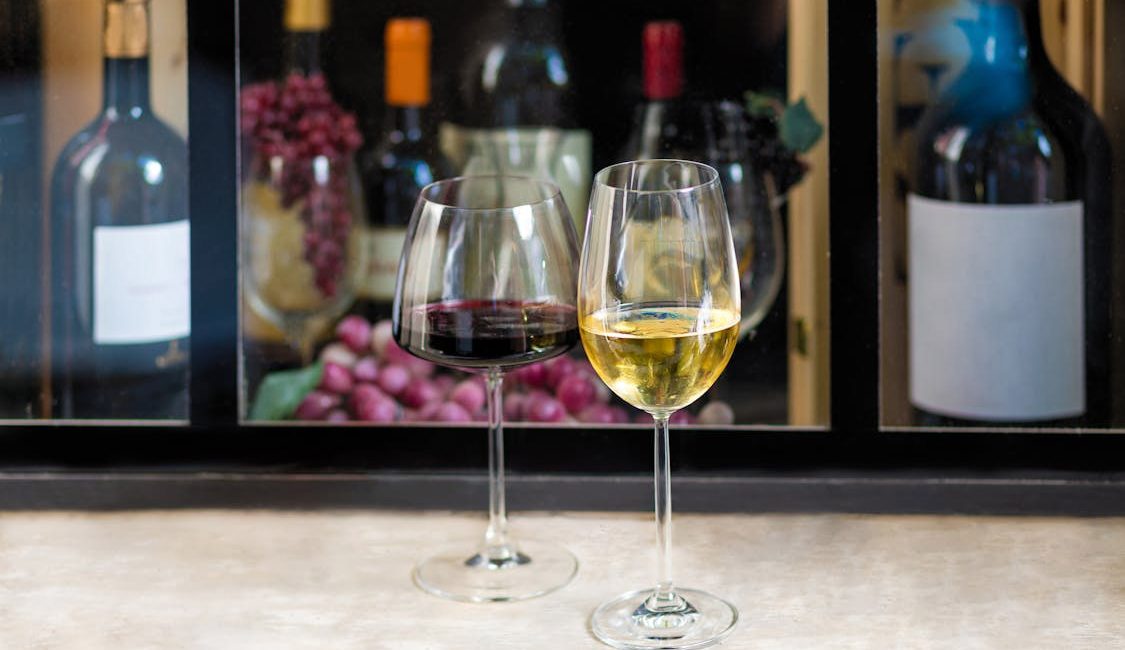
At the dinner table, there’s always someone who confidently claims, “Just let the red wine sit for a bit after opening—it’ll wake up!” It sounds reasonable, but it’s only half true. Many people equate “opening a bottle” with “decanting,” yet real decanting is far more than simply uncorking and waiting. To understand the difference, we first need to ask: why decant at all?
Why Do We Decant Wine?
There are two main reasons:
To let the wine breathe—releasing aromas and structure
Young red wines often have strong tannins and tight acidity. Exposure to air (oxidation) helps open up the aroma and soften the palate. In simple terms, decanting allows the wine to “find its voice.”
To separate sediment from the liquid
Aged red wines naturally develop sediment—tannins and pigments that bind together over time. If not separated, these can affect taste and appearance. That’s where a decanter comes in: it both allows the wine to breathe and removes impurities.
Does Simply Opening the Bottle Work?
Back to the key question: does opening a bottle equal decanting?
The answer—almost never.
Why? Because the surface area exposed to air is far too small.
Once you remove the cork, the neck of the bottle measures only about two centimeters wide. For a 750 ml bottle, that means only a coin-sized portion of wine is in contact with the air. Even after hours, only the top layer interacts with oxygen; the rest remains sealed below, untouched.
To truly awaken the wine, it needs wide, generous exposure to oxygen—and that’s exactly what a decanter provides.
The Magic of the Decanter
The unique shape of a decanter isn’t just aesthetic—it’s functional. The broad base and open top spread the wine into a thin layer, dramatically increasing its surface area. Within minutes, aromas begin to bloom.
Different wines require different decanting times:
– Young wines (especially tannic ones like Cabernet Sauvignon or Syrah): 30 minutes to 2 hours helps soften structure.
– Mid-aged wines (5–10 years old): 15–30 minutes is usually enough to release aromas.
– Older wines (10+ years): less is more. Too much air can cause aromas to fade and structure to collapse. Usually, a quick pour to remove sediment is all that’s needed.
In short, decanting is a delicate balance of oxidation and evaporation—a race against time.
Does Letting an Open Bottle Sit Help at All?
Yes, but only slightly.
If you don’t have a decanter, all is not lost. You can gently swirl the bottle or pour half into glasses to increase the surface area exposed to air. This may wake up some aromas—though it’s no match for proper decanting.
Another handy option is an aerator—a device attached to the bottle neck that mixes air into the wine as you pour. It offers quick, practical results, and many restaurants and households now rely on it as a smart budget tool.
Why Some Wines Don’t Need Decanting
Not every wine benefits from decanting—this point is crucial.
– Light reds (like Beaujolais or Pinot Noir): These have delicate structures and can lose fruity aromas if exposed too long.
– White wines and sparkling wines: Most don’t need decanting, as their charm lies in freshness and brightness—excess air dulls both.
– Natural or low-sulfur wines: These are less stable and change rapidly once opened; too much air can spoil them.
Experts often remind us: “Decanting is not mandatory—it’s about understanding the wine and showing it at its best.”
From Opening to Experience: A Philosophy of Wine and Time
Decanting may look technical, but it’s also a small ritual—a way to slow down and connect.
When you pour wine into a decanter and watch that deep red soften its hue as aromas unfold, it’s like a quiet soul beginning to tell its story.
In our fast-paced world, decanting teaches patience: “Good wine doesn’t fear time—flavor needs space to grow.”
Some things, if rushed, lose their moment of brilliance. Those who understand decanting also understand the value of letting life breathe.
How to “Decant Smart” in Daily Life
Follow these simple steps to handle your wine like a pro:
Check the wine and vintage before opening.
High-tannin young wines (Cabernet Sauvignon, Malbec) benefit from advance decanting, while older or smoother wines require more care.
Choose the right tool.
A basic decanter suits most reds. If budget is tight, a glass pitcher or wide-bottomed jug works fine. For convenience, an aerator is a great option.
Control time and temperature.
Too high a room temperature speeds oxidation and unbalances the wine. Ideal temperatures: reds 16–18°C, whites 8–12°C. Adjust decanting time based on aroma development.
Observe the aroma’s evolution.
Taste at intervals: right after opening, after 15 minutes, after 30 minutes. You’ll notice the wine’s life cycle—from closed, to open, to slightly fading.
The Myth of “Open Equals Awake”
People love simplicity. Saying “just open it and wait” feels easy and convincing. Yet this overlooks one fact: wine is alive. Its aroma, texture, and balance constantly evolve with air and time.
True decanting requires attention, space, and patience.
Simply uncorking gives the wine a breath—but to help it speak, you need to give it room and time.
More Than Wine: A Metaphor for Awakening Taste
“Opening a bottle isn’t decanting”—a simple phrase that reveals the mindset of a true wine lover. Decanting isn’t just a technique; it’s a conversation between you and the wine. When you understand how it behaves, adjust the timing, and watch it change, drinking becomes a gradual awakening of the senses.
So next time someone opens a bottle, smile and suggest, “Let’s give it some air.”
That little pause will make every sip worth the wait.
