
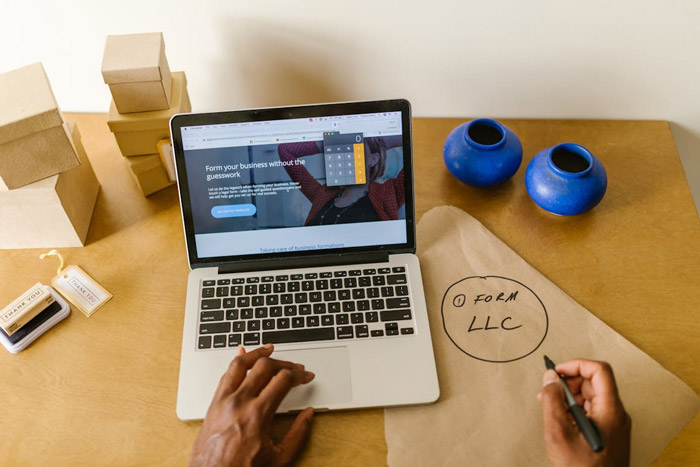
In an era defined by uncertainty, have you ever dreamed of breaking free from the nine-to-five grind to take full control of your life? As global economic structures undergo seismic shifts and the sense of security in traditional careers erodes, a new model of entrepreneurship is quietly emerging—one that requires neither massive capital nor large teams, yet offers a viable path for those who aspire to freedom. This is the power of micro-entrepreneurship, a business revolution for ordinary people that is ready for you to join.
Redefining Entrepreneurship: What Is Micro-Entrepreneurship?
Micro-entrepreneurship is, in essence, a business strategy that leverages “small” to achieve “big.” It rejects the outdated assumptions of traditional entrepreneurship—heavy capital requirements, large teams, and physical storefronts—and instead embraces the “Three Lows”: low cost, low capital, and low risk. This model is typically operated by individuals or small teams of two to five people, heavily reliant on digital platforms and online tools. Through the creative integration of expertise and innovation, micro-entrepreneurs create unique value in niche markets.
Rather than viewing micro-entrepreneurship as a “scaled-down” version of traditional business, it is better understood as a new commercial philosophy: one that prioritizes life optimization over business expansion. The goal is not to build the next multinational corporation, but to create an independent enterprise that delivers financial autonomy while preserving quality of life.
Notably, the rise of micro-entrepreneurship is inseparable from global digitalization. According to recent statistics, over 67% of successful micro-ventures operate primarily through online platforms, making geographical location irrelevant to business success. Whether you live in a major city or a remote village, as long as you have an internet connection and a laptop, you can build your own business landscape.
Why Choose Micro-Entrepreneurship? Three Key Advantages
1. Reclaiming Life Control: Work–Life Integration
Traditional employment often demands most of your time and energy, creating a persistent imbalance between work and life. Micro-entrepreneurship overturns this model: instead of “balancing” work and life, you integrate them, regaining ownership over how you allocate your time.
2. Significantly Lower Financial Barriers: Smarter Use of Limited Resources
Unlike conventional businesses that require hundreds of thousands—or even millions—in startup funding, micro-ventures can begin with minimal capital. Many successful cases started with less than HKD 50,000, and some rely solely on personal savings. The key is not how many resources you have, but how intelligently you deploy them.
3. Unparalleled Flexibility: Rapid Market Adaptation
In today’s fast-changing business environment, adaptability matters more than scale. The lean structure and short decision cycles of micro-ventures allow entrepreneurs to pivot quickly. While large companies navigate layers of approvals, a micro-entrepreneur can already iterate products, adjust marketing strategies, or re-target customer segments—often turning crises into new opportunities.
Debunking the Myth: Rethinking What “Stability” Really Means
Many hesitate to pursue micro-entrepreneurship because they believe a fixed salary is more “stable.” But does that stability still exist in today’s workplace?
Corporate restructuring, departmental downsizing, and industry shifts have made long-term job security increasingly illusory—even in well-known companies. In contrast, building your own micro-business creates a new type of stability: diversified income streams.
Instead of relying on one employer, micro-entrepreneurs develop multiple revenue sources—online course sales, consulting services, e-book royalties, affiliate income. This risk-diversification strategy is often more sustainable over the long run.
More importantly, micro-entrepreneurship allows you to build your own digital assets—brand influence, customer relationships, intellectual property. These assets do not evaporate during economic downturns; they appreciate over time and become the most reliable foundation of your career.
Micro-Entrepreneurship Playbook: A Systematic Path from Zero to One
Stage 1: Identify Your Niche Market
Every successful micro-venture begins with precise positioning. Instead of trying to serve everyone, focus on a niche where you possess both expertise and genuine passion—one that is large enough yet not fully dominated by industry giants.
Practical steps to discover your niche:
— List your professional skills, interests, and unique experiences
— Research unmet needs within those areas
— Analyze competitors to identify differentiation opportunities
— Test an MVP (Minimum Viable Product) and gather market feedback
— The best niche lies at the intersection of personal interest and market demand.
Stage 2: Build Your Digital Tool Ecosystem
Modern micro-entrepreneurship relies heavily on efficient, cost-effective digital tools. A well-structured tool stack enables a solo entrepreneur to operate with the productivity of a full team.
Visual Design & Content Creation:
Canva: More than a design tool—it’s a system for maintaining visual brand consistency. Create reusable brand templates to ensure cohesive output across all mediums.
Customer Engagement & Conversion:
Manychat: Not just an auto-responder, but a customer-journey builder. Well-designed conversational flows convert casual visitors into loyal fans.
Email Marketing & Relationship Management:
Mailchimp: A customer lifecycle platform. Use segmentation and automation to deliver personalized content and boost conversion rates.
Workflow Automation:
Zapier: The “glue” that connects apps. Automate repetitive tasks, such as adding new customers to mailing lists and sending automated thank-you messages—without manual input.
Online Events & Knowledge Monetization:
EasyWebinar: A stage for building expert authority. Regular value-driven webinars help strengthen your brand while promoting your core offerings.
Professional Content Production:
Keynote / PowerPoint: Beyond slide decks, these tools can produce e-books, infographics, and social media assets to enrich your content marketing.
Current Collaboration Highlight:
HONIK Biz and Arachne Group Limited (https://hkweb.com.hk) are working together to offer one-stop company-formation services for clients looking to establish businesses in Hong Kong, facilitating smooth integration into an international business environment. They also provide SME Webdesign Solutions tailored to each client’s needs, supported by precise and effective digital marketing strategies.
Stage 3: Build Scalable Operating Systems
Success in micro-entrepreneurship comes not only from creativity and passion but also from solid operational infrastructure. Even as a one-person team, establishing SOPs (Standard Operating Procedures) significantly boosts efficiency and prepares the groundwork for future growth.
Core operating systems include:
Customer Acquisition System: Standardized flow from traffic generation to conversion
Content Production System: Ensures consistent output of high-quality content
Customer Service System: Delivers reliable, exceptional service
Product Development System: Continuously iterates based on market feedback
Though system building requires upfront effort, it frees you from daily busywork so you can focus on strategic growth.
Beyond Survival: Strategies for Sustainable Micro-Entrepreneurship
Micro-entrepreneurship is not merely about making a living—it’s about designing an ideal life. Once your business stabilizes, consider these strategies:
Diversify Revenue Streams: Avoid overreliance on a single offering. Develop product lines across multiple formats and price points—digital products, physical goods, consulting, subscription communities, etc.
Build a Brand, Not Just a Business: A strong personal brand creates long-term competitive advantage. Share valuable insights consistently to build trust and authority.
Stay Lean, Scale Smart: Maintain agility. Instead of expanding staff indiscriminately, leverage freelancers, virtual assistants, and strategic partnerships.
Commit to Continuous Learning: Markets and technologies evolve rapidly. Evaluate your business model regularly, experiment with new approaches, and eliminate ineffective strategies.
Micro-entrepreneurship is more than a business model—it’s a lifestyle choice.
It does not require risking your entire savings or abruptly quitting your job. Instead, it allows you to build your business at your own pace, gradually crafting a life and career that belong entirely to you. It turns entrepreneurship into an achievable, practical path.
