
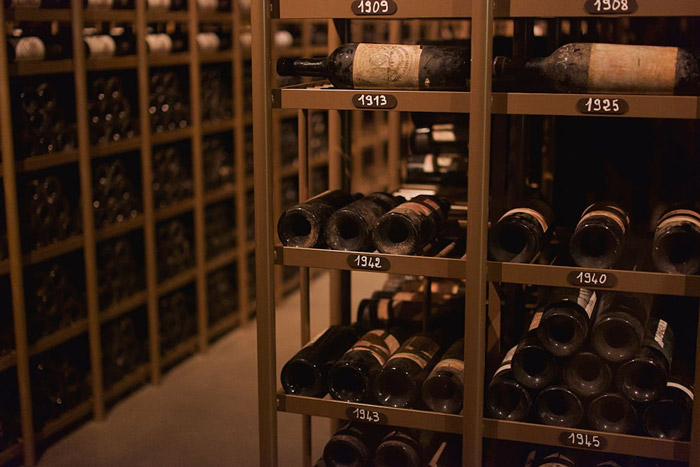
We’ve all been there — standing in front of a dazzling wall of wine bottles, price tags ranging from 39 to 99,999 dollars, bottle labels shouting “Imported from France” or “Premium New World Blend.” It’s a mix of excitement and confusion. You want to buy a decent bottle that tastes good, but a small voice in your head keeps asking: “Does expensive always mean better?” or “What on earth am I supposed to look at on these foreign labels?”
The truth is, judging wine quality doesn’t require a sommelier’s sensitive nose. Ordinary drinkers can make smart choices just by understanding a few simple clues. So, let’s break down the everyday “science of wine picking,” step by step.
Step 1: Check the Region — The Soul of Style
A wine’s personality is often written in its region. You don’t need to memorize a map of French villages; just grasp a few basics:
Old World vs. New World:
Old World wines come from traditional European regions such as France, Spain, and Italy. New World wines hail from places like Australia, Chile, the United States, and South Africa. Old World wines tend to taste more complex and earthy, while New World wines are fruitier, bolder, and easier to drink.
If you’re new to wine, start with the New World — their wines often have higher sweetness and softer tannins, making them instantly approachable.
Pay attention to classification labels:
In France, the “AOC” (Appellation d’Origine Contrôlée) on a label means the wine comes from a tightly regulated region. In countries like Australia, Chile, or South Africa, you’ll see “Region” or “Valley.”
If the label reads “Bordeaux AOC” or “Barossa Valley Shiraz,” it’s a good sign of quality consistency.
Pro tip: Don’t be seduced by the phrase “Imported from France.” A low-end Vin de France might taste no better than a decent mid-range Chilean bottle — yet cost twice as much. Focus on which part of France, not just whether it’s French.
Step 2: Check the Grape — The Flavor Code
No need to memorize every grape’s chemistry. Just remember a few flavor-defining stars:
Common Reds:
Cabernet Sauvignon: bold, structured, with notes of blackcurrant and tobacco — a “strong personality.”
Merlot: soft, fruity, and smooth — the beginner’s red.
Pinot Noir: light, elegant, with delicate cherry aromas.
Common Whites:
Chardonnay: full-bodied and creamy, often with buttery or oaky notes.
Sauvignon Blanc: crisp and zesty, with grassy or tropical fruit aromas.
Riesling: bright acidity, sometimes lightly sweet — perfect for summer or spicy dishes.
Beginner’s tip: If you want a safe bet, go with Merlot or a Chilean Shiraz for red; for white, try an Australian Sauvignon Blanc. These wines are vibrant, affordable, and rarely disappoint.
Step 3: Check the Vintage — Older Isn’t Always Better
Many assume that “old wine equals expensive wine.” That’s only true for collector’s bottles. Most supermarket wines are ready to drink — best enjoyed within two or three years of bottling.
Red wine: best within 3–5 years of production.
White wine: best within 1–3 years of release.
So, if you find a Chardonnay 2015 still on the shelf, it’s likely past its prime. Don’t romanticize it — it’s probably tired, not mature.
Example: A 2023 Chilean Merlot will usually taste fresher, more aromatic, and smoother than its 2016 counterpart.
Step 4: Understand the Label — The Wine’s Resume
Many shoppers admire the pretty artwork but ignore the key information. The label is a wine’s ID card — knowing how to read it means knowing how to choose well.
The front label: lists the brand, region, grape, and vintage.
The back label: hides crucial details: sugar level, alcohol content (ABV), tasting notes, or winery info.
Beware of overly poetic descriptions (“A mesmerizing romance of aroma and passion”) — serious wineries use precise terms, describing fruit and tannins, not vague emotional language.
Also check the alcohol level: whites are usually 11–13%; reds 13–15%. If it’s too high, the alcohol may overpower the fruit.
Step 5: Price Range — Smart Value in the Middle
Supermarket wines range from budget to luxury, but most casual buyers should aim for the HK$100–250 range. In this bracket, you’ll find reliably made wines from good regions — not overpriced but not cut corners either.
Chile and Argentina offer exceptional reds for the money.
Australia and New Zealand produce consistently good whites.
Spain often surprises with budget-friendly, high-quality Tempranillo reds.
Reminder: Expensive doesn’t always mean delicious. Cheap doesn’t always mean bad. Buying wine is like finding a friend — compatibility matters more than prestige.
Step 6: Examine the Bottle — Details Tell the Story
Take a closer look before checkout — a few visual checks can reveal how well the wine’s been stored.
Cork: If it’s natural, lightly shake the bottle to see if any wine has leaked. A wet label or stained cork may mean improper storage. Screw caps aren’t a bad sign — they’re now common in New World wines and keep wine fresher.
Bottle indentation (punt): A deeper punt doesn’t mean higher quality — it mainly helps collect sediment and strengthen the bottle.
Wine color: Red turning brownish may signal oxidation; white turning golden or orange may be aged past its best.
Sometimes, your eyes can judge better than the score stickers.
Step 7: Be Critical About Scores and Medals
Those shiny “90 points from Wine Spectator” or gold medal stickers look dazzling, but remember:
Scores represent critics’ opinions on specific batches — not your personal taste.
Many supermarket “gold medals” come from small local contests with varying credibility.
Treat scores as hints, not commandments. The smartest approach is to note which wines you personally liked, then trace their region and variety next time you shop.
Step 8: Spot the “Fake Fancy” Wines
Some labels are designed to look prestigious, but appearances can deceive. For example:
Words like “Reserve” or “Grand Selection” sound impressive but often have no legal standard — just marketing fluff.
Labels mixing multiple languages or fonts to appear “imported” may in fact be locally bottled.
Claims like “A Century of Tradition” are suspicious if the winery’s history is untraceable.
Quick check: Look at the back label for “Bottled at…” versus “Bottled for…”. The first means genuinely bottled at the winery; the second means locally bottled for export — a big difference.
Step 9: Learn to Taste, Not Just Trust
Picking wine is only the beginning — the real joy is in the tasting. Learn to trust your own senses:
When smelling, notice if the fruit is bright (berries, cherries) or deep (blackberries, smoke).
On the palate, check whether the acidity feels lively and the balance comfortable.
If it tastes harsh, hot with alcohol, or bland, it’s probably the wine’s fault — not yours.
Over time, you’ll realize that “wine knowledge” is really about awareness — noticing flavor and mood, not showing off expertise.
Final Sip: Make Wine Part of Life
Choosing wine shouldn’t feel like an exam. It’s a small joy of daily life. Learning to select a bottle that suits your budget and mood is already a mark of good taste.
Next time you’re pushing a cart past a sea of bottles, take a breath. Remember: region, grape, vintage, and label — master those four, and you’ll already know more than 90% of shoppers. Drinking wine is less about knowing the jargon and more about knowing who and why you’re drinking it for.
