
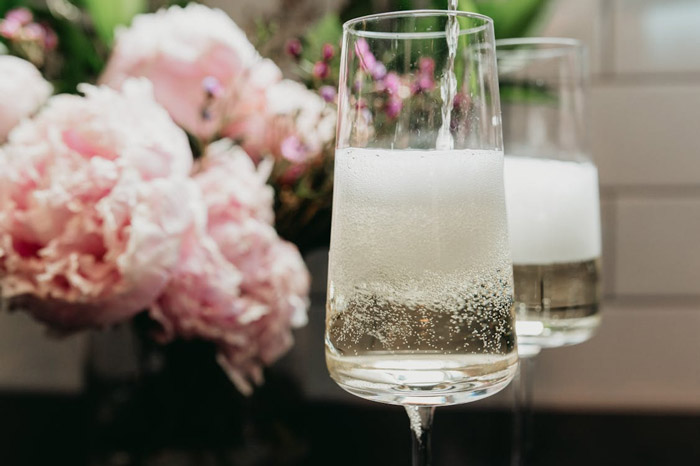
At the dining table, sparkling wine always brings a light and joyful atmosphere. Whether it’s for celebrations, romantic dinners, or gatherings with friends, it can be the perfect companion. This article will take you from the basics to selection, tasting, and storage, helping you fully grasp the charm of sparkling wine.
Is Sparkling Wine the Same as Champagne? Clearing Up the Confusion!
Sparkling wine refers to all wines containing carbon dioxide bubbles. These bubbles typically come from a secondary fermentation process, allowing the wine to naturally produce delicate foam in the bottle. Its characteristics are freshness, liveliness, and a subtle tingling sensation on the palate.
However, many people confuse sparkling wine with Champagne. In fact, Champagne is just one type of sparkling wine and must come from the Champagne region of France, adhering to strict production regulations. In other words, all Champagne is sparkling wine, but not all sparkling wine can be called Champagne.
Champagne: Refers specifically to sparkling wine produced in the Champagne region of France, made using the traditional method (Méthode Champenoise) and specific grape varieties (such as Pinot Noir, Chardonnay, and Pinot Meunier).
Sparkling Wine: A general term for all wines with bubbles, with no restrictions on origin, grape varieties, or production methods.
In other words, “Champagne” is a geographical indication representing specific terroir and traditions. Even if the same method is used in other regions, the wine can only be called “traditional method sparkling wine.”
What Are the Types of Sparkling Wine? Deciphering Wine Labels to Choose the Best
Walking into a wine shop or supermarket, are you often overwhelmed by rows of unfamiliar English terms on wine labels? Don’t worry—the sweetness levels of sparkling wine are clearly defined by a standard system. Once you master this system, you can quickly determine the sweetness level and accurately find the bottle that best suits your taste.
Sparkling Wine Sweetness Level Guide
| Sweetness Label | Taste Profile | Suitable Occasions & Pairings |
| Brut Nature/Extra Brut | Almost no sugar, noticeable acidity, very refreshing | Oysters, sushi, light seafood |
| Brut | Most common, slightly tart, well-balanced | Various dishes, especially white meat and salads |
| Extra Dry | Slightly sweet but still dry | Gatherings, aperitifs, light snacks |
| Sec | Moderately sweet, prominent fruitiness | Spicy dishes or semi-sweet desserts |
| Demi-Sec | Semi-sweet, round and smooth | Fruit tarts, creamy desserts |
| Doux | Sweetest, soft-bodied, often a dessert wine | Cakes, chocolate, afternoon tea |
Buying Guide: Six Popular Sparkling Wine Recommendations
In addition to selecting sparkling wine based on sweetness, pay attention to the following when making a purchase:
Type and Name: For example, “Champagne” must come from the Champagne region of France; “Prosecco” represents Italian sparkling wine; “Cava” is from Spain. These names indicate origin protection and quality assurance.
Origin and Vintage: Origin information often reveals more details. For instance, the village indicated on a Champagne label or Italy’s DOCG rating are important indicators of quality.
Next, HONIK Cellar will share the characteristics, styles, and suitable occasions for currently popular sparkling wines, making it easier for you to find your favorite:
| Wine | Origin | Style & Characteristics | Price Range | Suitable Occasions |
| Champagne | Champagne, France | Elegant, layered, excellent acidity and bubbles | Premium | Formal banquets, celebrations |
| Crémant | Other French regions (e.g., Alsace, Loire Valley) | Similar to Champagne but more affordable, fresh fruitiness | Mid-range | Family gatherings, parties |
| Prosecco | Veneto, Italy | Fresh fruitiness, light and easy to drink, soft bubbles | Affordable | Casual gatherings, aperitifs |
| Cava | Spain | High value, moderate acidity, diverse styles | Affordable to mid-range | Daily meals, Spanish tapas |
| Moscato d’Asti | Piedmont, Italy | Sweet and soft, low alcohol, rich fruitiness | Affordable | Afternoon tea, dessert pairing |
How to Taste Sparkling Wine? The Ritual from Opening to Pairing
Tasting sparkling wine is a feast for the senses. Follow these steps to make every opening a ritual:
Perfect Chilling
Optimal Temperature: Sweet sparkling wines at 6–8°C, dry sparkling wines at 8–10°C. This not only brings out the best flavors but also reduces internal pressure to minimize the risk of spillage.
Methods: Soak in an ice bucket (water with ice) for 20–25 minutes, or refrigerate for 3–4 hours. Avoid freezing, as it may affect the flavor.
Safe Opening Method
The golden rule for opening sparkling wine: turn the bottle, not the cork.
[Steps]
Step 1: Dry the bottle with a cloth to avoid slipping.
Step 2: Tilt the bottle at a 45° angle, pointing it toward a safe, open space.
Step 3: Remove the foil and wire cage, keeping your thumb pressed firmly on the cork.
Step 4: Hold the cork steady with one hand while slowly turning the bottle with the other.
Step 5: Let the cork slide out gently with a soft “hiss,” not a loud pop.
This preserves the bubbles, minimizes waste, and ensures an elegant and safe opening.
Choosing a Glass and Pouring
While the traditional tall flute is elegant, many experts now recommend tulip-shaped glasses or even white wine glasses. The broader bowl of a tulip glass allows the wine to interact with air, releasing more aromas, while the narrower rim keeps the bubbles fine, striking the perfect balance between aroma, bubbles, and taste.
When pouring, tilt the glass and slowly pour along the side to one-third full. Wait for the foam to settle, then fill to about 70% capacity.
Food Pairing
Sparkling wine is a versatile companion for food, creating rich flavors and textures with various dishes:
Seafood Pairings: Shellfish like oysters, lobster, and shrimp complement the fresh, crisp flavors of sparkling wine.
Asian Cuisine: Prosecco pairs well with sushi and sashimi, highlighting the freshness of the fish. For Chinese stir-fries or Thai spicy and sour dishes, the acidity and freshness of sparkling wine can balance the richness and spiciness.
Fried Foods: The bubbles and acidity in sparkling wine cleanse the palate. Fried chicken, onion rings, and tempura become the perfect “grease-cutting” match.
Cheese and Light Bites: Europeans often pair sparkling wine with cheese platters. Soft cheeses like Brie and Camembert harmonize with the acidity of Champagne. Pairing fruit salad with Prosecco adds a fresh, layered experience.
Dessert Pairings: The key to dessert pairings is matching sweetness levels. Slightly sweet or sweet sparkling wines (like Moscato) go well with fruit tarts or lemon tarts. Demi-Sec Champagne pairs perfectly with chocolate desserts. Avoid pairing dry sparkling wine with desserts, as it may create a clash of flavors.
How to Store Sparkling Wine? Extending the Life and Flavor of the Bubbles
Proper storage of sparkling wine ensures the preservation of its flavor and overall experience.
Unopened Storage:
Unopened sparkling wine should be stored in a cool, dry, dark place at a constant temperature of 10–15°C and 70–75% humidity. Store it horizontally (or upright for sparkling wine, though Champagne is best stored horizontally) to keep the cork moist and prevent air from entering.
Unlike red wines that improve with age, most sparkling wines are meant to be enjoyed fresh, ideally within 2–3 years. However, high-quality Champagne can age for over a decade under proper storage conditions, and vintage Champagne can develop richer and more nuanced flavors over time.
Storage After Opening:
Once opened, sparkling wine is best consumed within 1–2 days, as the bubbles and flavors diminish quickly. Using a specialized sparkling wine stopper and refrigerating it can extend its life to 3–4 days, or even up to 5 days before the flavor noticeably declines.
The key is to seal and refrigerate it immediately after opening to preserve the bubbles as much as possible.
Sparkling wine is more than just a beverage—it’s a way to create atmosphere. From beginners to connoisseurs, it can accompany us through various occasions. By mastering the skills of selection, tasting, and storage, you’ll discover that the world of sparkling wine is far more rich than you imagined. The next time you raise a glass, take a moment to savor the joy brought by those delicate bubbles.
